Can Solar Roads Power Our Cities? Exploring the Promise and Pitfalls of Solar-Powered Infrastructure
What if the very streets we drive on could power our homes? Imagine a world where every road, highway, and parking lot not only transports people—but also generates clean, renewable electricity. This is the ambitious vision behind **solar roads**: an innovative concept that promises to revolutionize both energy production and urban infrastructure. But can solar roads truly power our cities, or are they more science fiction than reality?
---🔌 What Are Solar Roads?
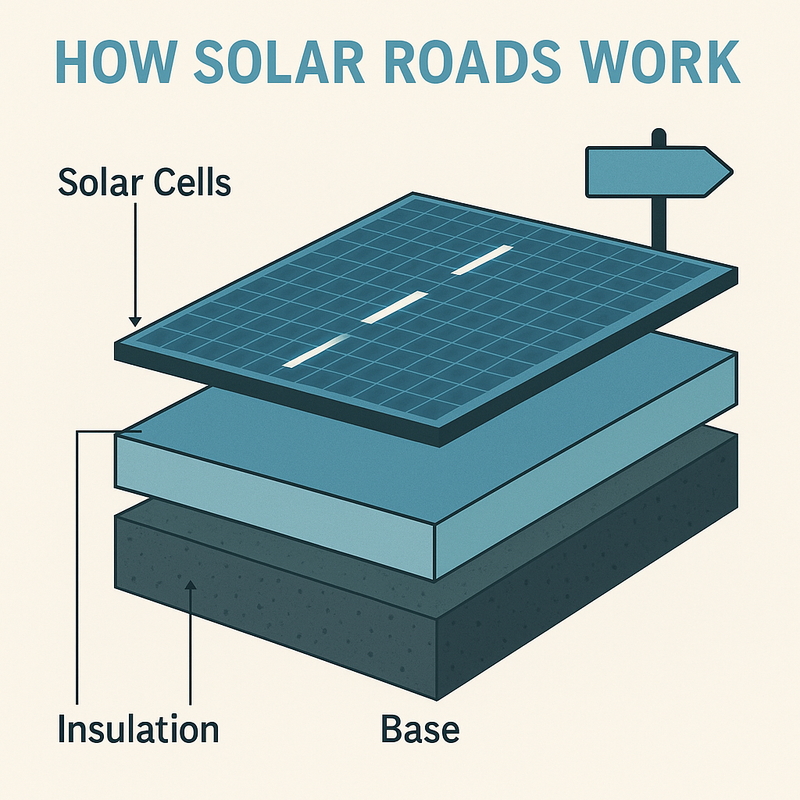
Solar roads are surfaces embedded with **photovoltaic (PV) cells**, much like traditional solar panels. These cells are protected by a strong, transparent material designed to allow sunlight to reach the cells while withstanding the considerable weight and stress of vehicular traffic. The fundamental goal is to harness solar energy from these ubiquitous surfaces to power a variety of needs, including homes, streetlights, electric vehicle (EV) charging stations, and even traffic management systems.
Instead of viewing sun-drenched road space as a single-purpose asset, solar road technology aims to transform it into a dual-purpose infrastructure capable of both transportation and energy generation.
---🏙️ Real-World Solar Road Projects
Several ambitious projects around the world have sought to test the feasibility of solar road technology:
1. Wattway (France)
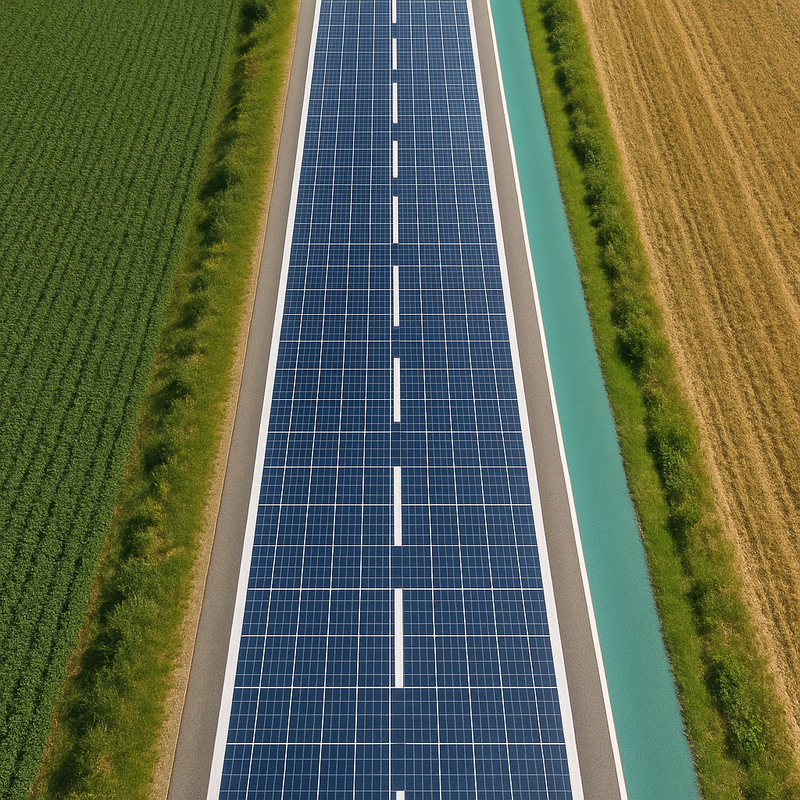
One of the earliest and most widely publicized large-scale experiments, France’s **Wattway project** was launched in 2016 in a small village in Normandy. A 1 kilometer (0.62 miles) stretch of existing road was covered with specialized, adhesive solar panels at a substantial cost of around $5.2 million USD. The initial expectation was that this solar roadway would generate enough electricity to power the public streetlights for a town of approximately 5,000 residents.
Outcome: After enduring several winters and the wear and tear of regular traffic, engineers encountered significant challenges. The panels proved to be more fragile than anticipated under the constant pressure of vehicles, leading to cracks and damage. Furthermore, the accumulation of dirt, debris, and tire wear significantly reduced the efficiency of the solar cells. Maintenance costs soared as teams struggled to keep the surface clean and replace damaged sections. Ultimately, the Wattway project was largely deemed a technological and economic failure, highlighting the significant durability challenges of integrating solar panels directly into roadways.
2. Solar Roadways (USA)
Solar Roadways, a US-based initiative, garnered significant public attention and funding, including support from the U.S. Department of Transportation and a highly successful viral crowdfunding campaign. Their ambitious promise involved developing modular, hexagonal solar panels for roads that would feature not only electricity generation but also integrated LED lights for lane markings, heating elements to prevent ice and snow accumulation, and even the potential for wireless charging of electric vehicles. Prototypes of these innovative panels were installed in smaller, less demanding environments such as parking lots and sidewalks to test their core functionalities.
Outcome: Despite the massive public enthusiasm and the intriguing array of features, Solar Roadways faced considerable hurdles in translating their prototypes into practical, large-scale road applications. Key issues that limited practical adoption included the high cost of manufacturing the specialized panels, questions surrounding their long-term durability under heavy traffic, and concerns about their actual power output efficiency compared to traditional solar installations. While the concept captured the imagination, the technology struggled to demonstrate its real-world viability in terms of both performance and economics.
3. Jiayu Expressway Solar Road (China)
Demonstrating a strong commitment to exploring novel solar infrastructure solutions, China installed a 1-kilometer (0.62 miles) stretch of solar panels beneath a layer of transparent concrete on the **Jiayu Expressway** in Jinan. This project incorporated advanced materials in an attempt to achieve better traction for vehicles and enhanced durability for the solar cells beneath. The aim was to evaluate the feasibility of this approach on a high-traffic roadway.
Outcome: The Jiayu Expressway solar road project encountered a setback shortly after its launch when sections of the roadway were reportedly stolen by thieves, highlighting unexpected security challenges. Additionally, the project faced technical issues related to the delamination (separation of layers) of the transparent concrete surface. While the initiative underscored China's willingness to push the boundaries of solar infrastructure innovation, these early challenges indicated the ongoing difficulties in creating robust and reliable solar roadways.
---🌤️ The Science: Can Roads Really Generate Enough Energy?
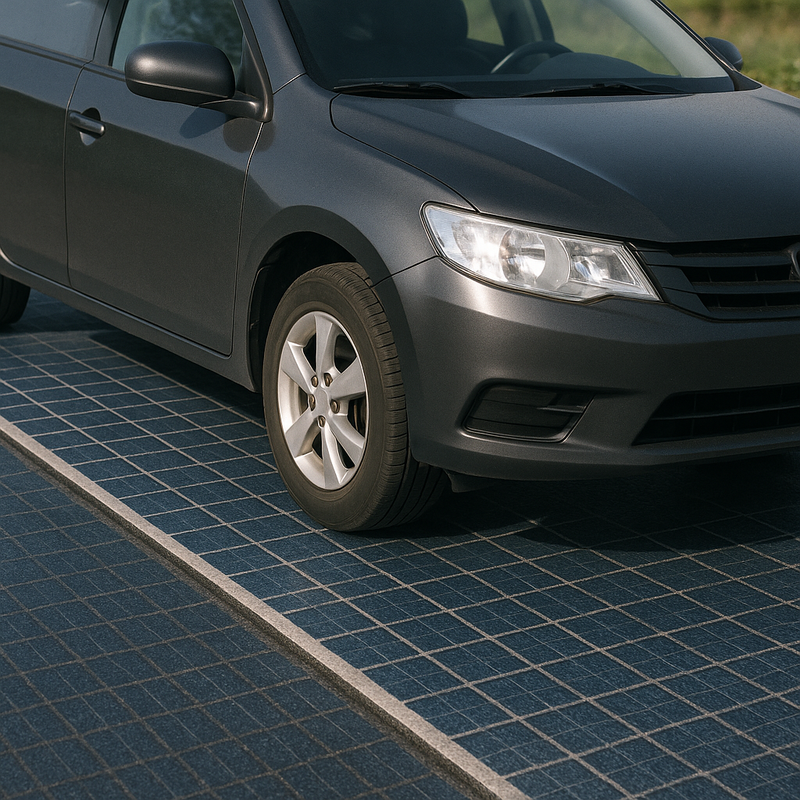
Let's delve into some basic calculations to understand the energy generation potential of solar roads:
- One square meter of a typical solar panel can generate approximately **150 to 200 watts** in peak sunlight conditions.
- A kilometer of a standard two-lane road offers a substantial surface area of roughly **5,000 square meters**.
- Based on these figures, a kilometer of solar road could theoretically generate around **1 megawatt (MW)** of electrical power during peak daylight hours.
- This potential output, under ideal conditions, could be sufficient to power approximately **300 to 500 average-sized homes** during those peak sunlight periods.
However, it's crucial to understand why real-world energy generation from solar roads typically falls significantly short of these theoretical maximums:
- Suboptimal Orientation: Unlike traditional solar panels that are often tilted at an optimal angle to directly face the sun for maximum energy capture, roads are inherently flat. This non-ideal orientation reduces the amount of solar radiation that the PV cells can absorb throughout the day.
- Obstructions and Shading: The constant movement of vehicles over the road surface can lead to shading of the solar cells, even if momentarily. Additionally, dust, tire marks, and general road debris accumulate on the surface, further blocking sunlight and reducing efficiency. Weather conditions such as cloud cover and precipitation also play a significant role.
- Durability Compromises: The need for the top layer of a solar road to be durable enough to withstand heavy traffic often necessitates the use of materials that may not be perfectly transparent, leading to some loss of light transmission to the solar cells below.
- Heat Dissipation: Solar panels operate most efficiently at specific temperature ranges. Integrating them into a road surface can hinder effective heat dissipation, potentially leading to overheating and a decrease in energy conversion efficiency.
⚙️ Major Challenges of Solar Roads
Despite the appealing vision, solar road technology faces several significant hurdles:
Table: Major Challenges of Solar Roads
| Challenge | Impact |
|---|---|
| Durability | Roads endure immense stress from constant vehicle weight, vibrations, and temperature fluctuations. Cracks, pressure, and general wear and tear can significantly damage the embedded solar cells and protective layers over time. |
| Efficiency Loss | Flat, horizontal surfaces are not optimal for capturing sunlight. Accumulation of dust, dirt, tire marks, and shade from moving vehicles drastically reduce energy production compared to tilted, clean rooftop solar panels. |
| Cost | Current estimates suggest that solar roads can be anywhere from 10 to 30 times more expensive per watt of installed capacity compared to traditional ground-mounted or rooftop solar farms. This high initial investment is a major barrier to widespread adoption. |
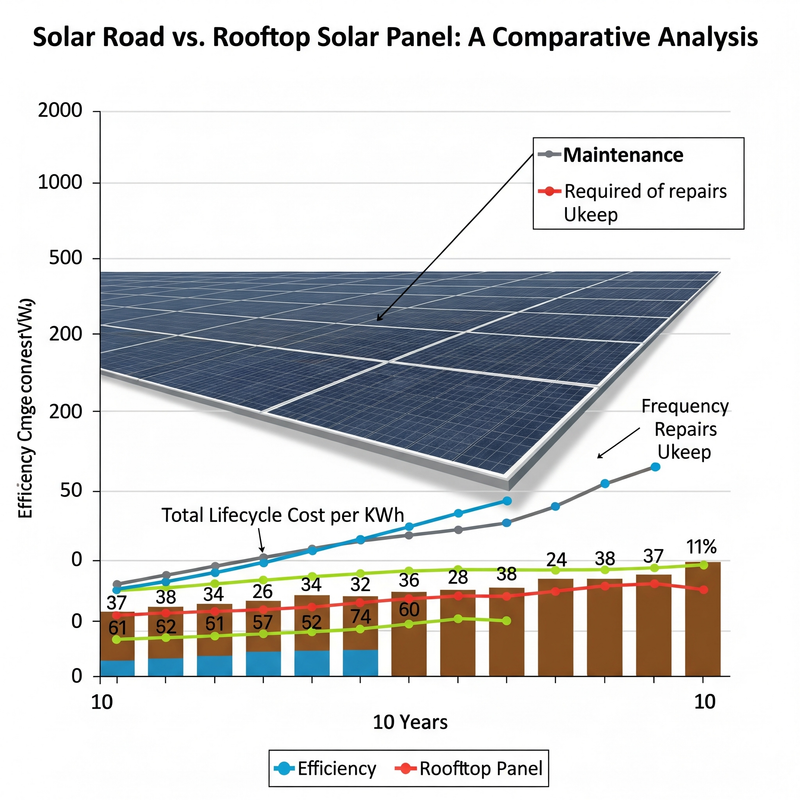
| Maintenance | Cleaning the large surface areas of solar roads to maintain efficiency and replacing damaged sections due to traffic or other factors is a complex, costly, and potentially disruptive undertaking, requiring specialized equipment and labor. |

🌆 Are There Better Alternatives?
Fortunately, the pursuit of solar-integrated cities doesn’t solely rely on the success of solar roads. Several more practical and currently viable solutions offer effective pathways to harnessing solar energy in urban environments:
- Rooftop Solar Panels: Installing PV panels on the expansive and often underutilized rooftops of residential, commercial, and industrial buildings remains one of the most cost-effective and efficient methods of generating solar power in cities. Roofs offer tilted surfaces for optimal sun exposure and are generally less susceptible to damage from traffic.
- Solar Parking Lots with Covered Panels: Constructing canopies over parking lots and integrating solar panels into these structures provides dual benefits: generating clean electricity and offering shade for parked vehicles, which can also help reduce urban heat island effects.
- Floating Solar Farms: Utilizing the surfaces of reservoirs, canals, and other bodies of water for floating solar photovoltaic (FPV) systems can be an efficient way to generate large amounts of clean energy without competing for valuable land space. FPV systems can also help reduce water evaporation.
- Highway Sound Barriers with Integrated Solar Panels: The long stretches of sound barriers along highways offer an excellent opportunity to integrate vertical solar panels, capturing sunlight and simultaneously mitigating noise pollution for adjacent communities.
- Solar Bike Paths and Sidewalks: While facing similar durability challenges as roads, less heavily trafficked areas like bike paths and sidewalks could be more suitable for certain types of integrated solar surfaces, particularly for powering localized lighting or sensors.
These alternative approaches generally offer better energy returns on investment and require less complex engineering solutions compared to embedding solar technology directly into high-stress roadways.
✅ Where Solar Roads Might Work
Despite the significant challenges associated with large-scale solar roads for general traffic, there are certain niche applications where the concept could hold more promise:
- Remote Military Bases or Disaster Zones: In off-grid locations where access to traditional power infrastructure is limited or compromised, even relatively low-output solar surfaces could provide a valuable source of localized power.
- Smart Cities Integrating IoT Sensors: Embedding low-power solar cells into pedestrian walkways or designated smart city zones could provide a sustainable power source for various Internet of Things (IoT) sensors, traffic monitoring systems, and interactive urban elements.
- Pedestrian Walkways and Cycling Tracks: As demonstrated by the SolaRoad project, lower-stress environments could be more conducive to durable and functional solar surfaces, particularly for powering localized lighting or charging stations for e-bikes.
- Bus Stations and Charging Pads with Embedded Solar: Integrating solar panels into the surfaces of bus stations or within wireless charging pads for electric buses could help offset energy consumption at these specific locations.
If these targeted applications are strategically combined with efficient energy storage systems, they could potentially power localized microgrids or significantly reduce peak electricity demands.
---🔍 Real-Life Experience: A Glimpse into the Future
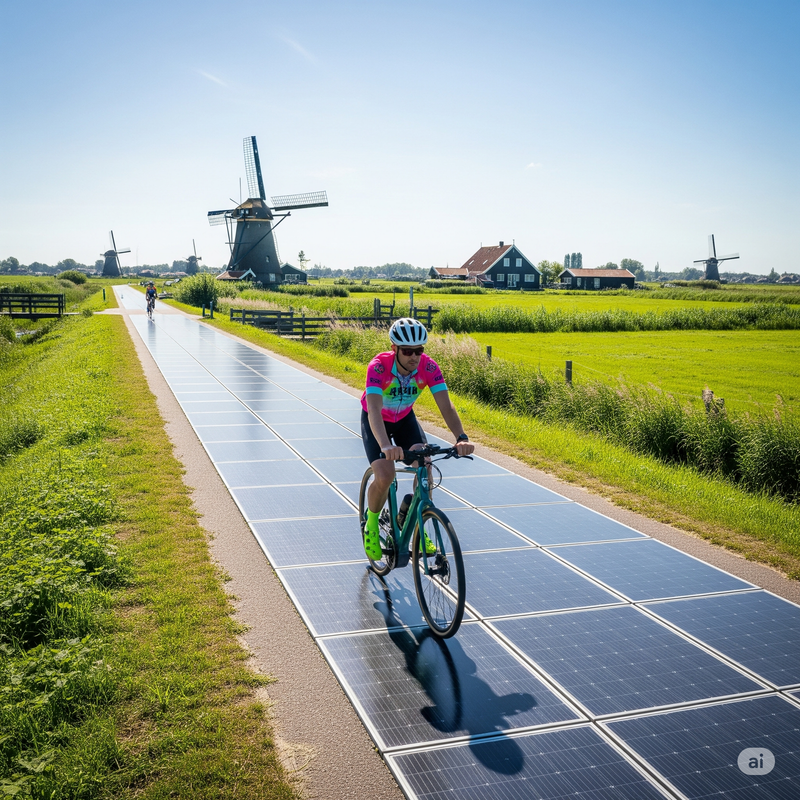
A notable example of a successful, albeit smaller-scale, implementation is the **SolaRoad bike path in the Netherlands**. This innovative project involved installing solar panels within the surface of a 70-meter (230 feet) section of a well-used bicycle path. In its first six months of operation, this pilot project generated approximately 3,000 kilowatt-hours (kWh) of electricity – enough to power a small single-family home for an entire year. Encouraged by these promising initial results, the SolaRoad project is now being expanded to further evaluate its long-term performance and potential for wider application.
The success of SolaRoad, in a lower-stress environment, suggests that with careful consideration of scale and intended use-case, solar roads might indeed have a role to play in the future energy landscape, even if primarily as a supplementary rather than a primary energy solution.
---💬 Final Thoughts: The Verdict
Solar roads are undoubtedly a brilliant and inspiring concept, capturing the imagination with the vision of our transportation infrastructure actively contributing to a cleaner energy future. However, the technology currently faces significant and persistent ground realities. While the idea of energy-generating roads is compelling, the present challenges related to cost, durability under heavy traffic, and overall energy efficiency mean that solar roads struggle to compete economically and practically with more established and efficient traditional solar infrastructure.
But innovation is a continuous process. As advancements in materials science progress and the costs of specialized solar panel technologies potentially decrease in the future, solar-integrated infrastructure could certainly evolve from what are currently considered largely experimental projects into a more valuable and integrated component of the smart city ecosystem. For the time being, however, our cities are likely better served and more effectively powered by focusing on proven solutions such as rooftop solar installations, strategically designed solar parking canopies, and thoughtful urban planning that prioritizes energy efficiency and aligns with fundamental principles of physics and economics.
Key Takeaway:
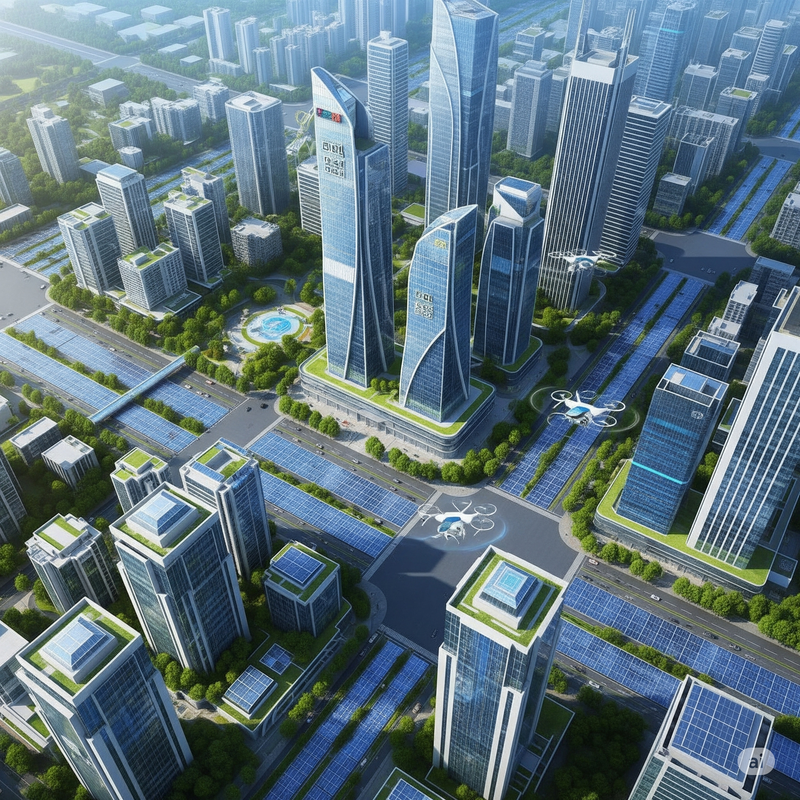
While inspiring, current **solar road technology** faces significant hurdles in cost, durability, and efficiency. Proven alternatives like **rooftop solar** and **solar canopies** offer far more practical and cost-effective paths to urban clean energy. Yet, targeted applications in lower-stress environments and future material innovations keep the dream alive.
📚 Resources
For more in-depth information on solar energy and sustainable infrastructure, consider exploring these resources:
- The U.S. Department of Energy (DOE)
- International Energy Agency (IEA) - Solar Power reports
- National Renewable Energy Laboratory (NREL)
- Leading universities' research in renewable energy and civil engineering
📢 What Do You Think?
Would you support a solar road project in your city if the technological and economic hurdles could be overcome? Share your thoughts and opinions in the comments section below! Don’t forget to explore more science-backed insights by following us on our sidebar science_by_rao
---solar road technology, renewable energy infrastructure, smart cities energy, solar roadways pros and cons, future of urban power, clean energy innovations
Connect with Science by Rao!
Join our community for more fascinating science discussions and updates: